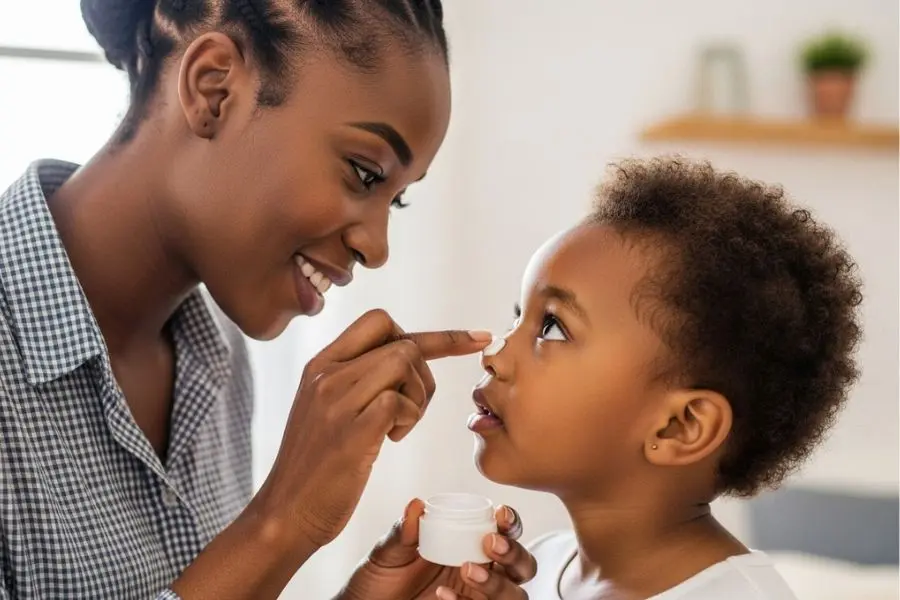
Eczema can be tough on children (and parents). When your child is itchy, uncomfortable, and not sleeping well, it’s exhausting for everyone. The good news is that eczema can often be managed with simple daily care and a gentle routine that protects your child’s skin.
Here’s what should help:
Make moisturizing a routine
Moisturizing is one of the most important steps for eczema care. Use a thick, fragrance-free cream or ointment and apply it:
- At least twice a day
- Straight after bathing (to lock in moisture)
- More often during flare-ups
Even when the skin looks “fine”, regular moisturizing can help prevent the next flare-up.
Keep bath time short and gentle
- Use lukewarm water (not hot)
- Keep baths to 5–10 minutes
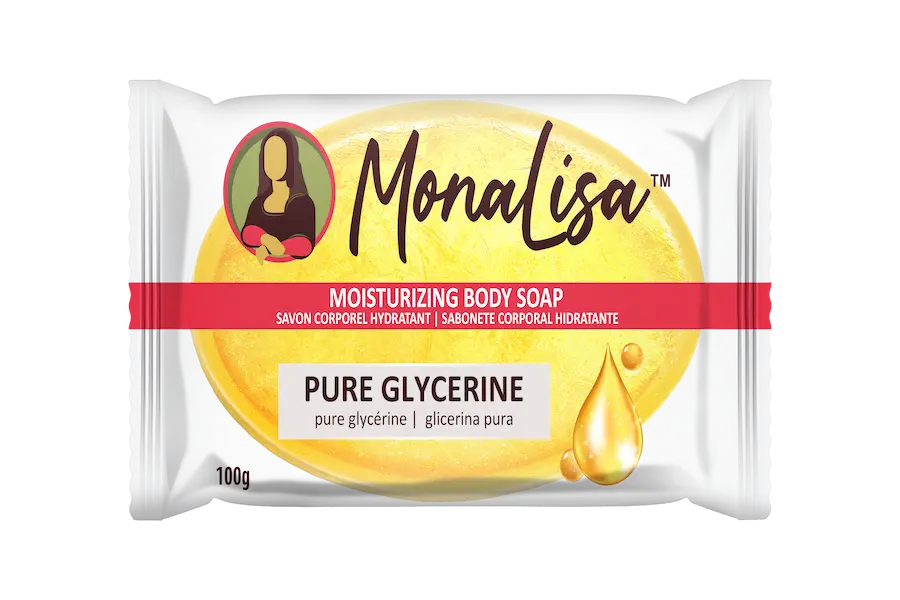
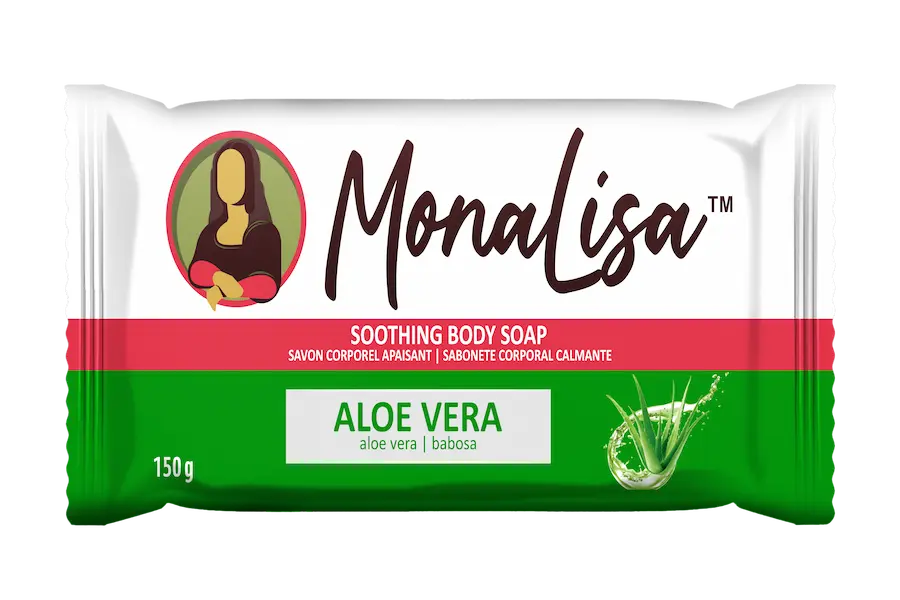
- Use a gentle, fragrance-free cleanser
- Pat the skin dry (don’t rub)
- Moisturize immediately after
Help your child stop scratching
Scratching can break the skin and make eczema worse. Try:
- Keeping nails short
- Using distractions (toys, activities) when itching starts
- If your child scratches in their sleep, cotton gloves or long sleeves can help reduce skin damage.
Dress for comfort
Soft, breathable clothing helps reduce irritation.
- Choose cotton where possible
- Avoid scratchy fabrics like wool
- Avoid tight clothing that causes friction and sweating
What to do during a flare-up
Try this simple flare-up plan:
- Moisturize more often
- Keep baths short and lukewarm
- Avoid scented products and harsh soaps
- Keep clothing soft and breathable
- Speak to a doctor or pharmacist if it’s not improving
When medicated treatment may be needed
Sometimes daily care isn’t enough, especially if the skin becomes very inflamed. A doctor may prescribe a corticosteroid cream for flare-ups, but always use it exactly as directed and if you notice the skin is oozing, crusting or your child is in pain, see a doctor right away.
Final thought
Eczema can be frustrating, but small daily habits can make a big difference. With the right routine, many children’s eczema becomes easier to manage over time and many children improve as they get older.
References
https://eczema.org/information-and-advice/information-for-parents-and-children/children-and-eczema/
https://nationaleczema.org/children/treatment/#
https://my.clevelandclinic.org/health/diseases/9998-eczema