Diabetes is on the rise in Africa, with millions of people affected, and the numbers are expected to keep growing . Unfortunately, many people don’t even realize they have diabetes, making it harder to manage and leading to potential complications.
By learning to recognize the early signs and getting tested regularly, you can take control. With the right care, lifestyle changes, and support, it’s possible to manage diabetes effectively and improve overall well-being, helping more people live healthier, fuller lives despite the challenges of the condition.
What is Diabetes
Diabetes means that your blood glucose (sugar) is too high. It is a long-lasting health condition that affects how your body turns food into energy.
Blood glucose levels can be measured in millimoles per liter (mmol/L) or milligrams per deciliter (mg/dL). While your healthcare provider will give you personalized targets, here’s a general guide to understanding your readings.
Understanding blood glucose levels
UNDER 72 mg/dL
Too Low
FROM 72-126 mg/dL
Healthy Target
OVER 126 mg/dL
Too High
Fasting Blood Sugar (mg/dL)
-
2
-
3
-
4
-
5
-
6
-
7
-
8
-
9 +
Testing your levels
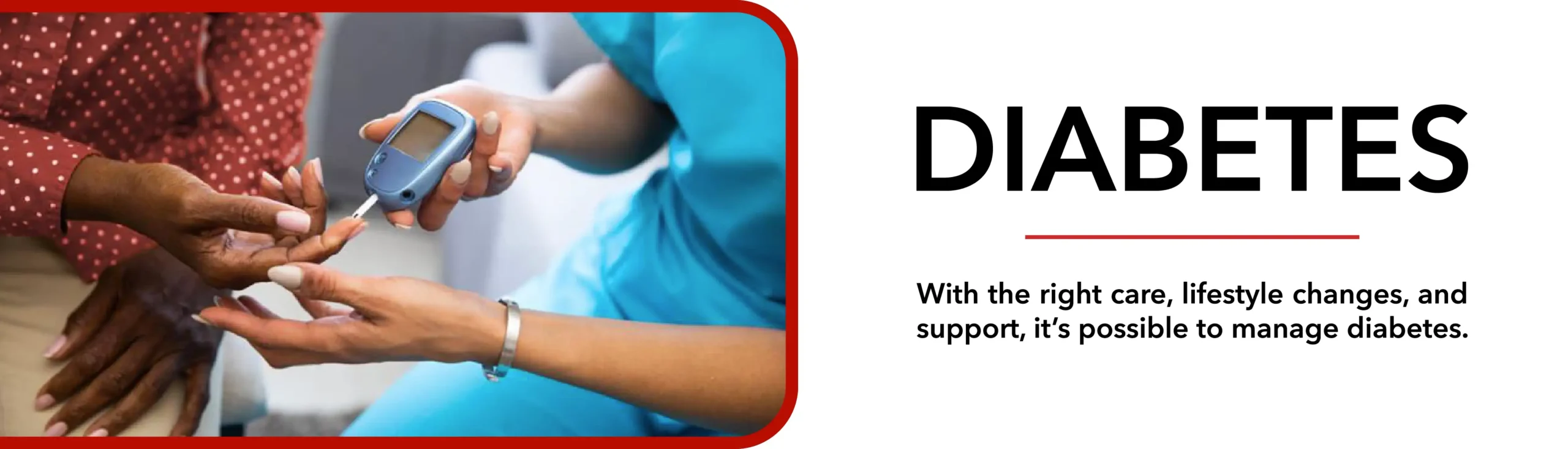
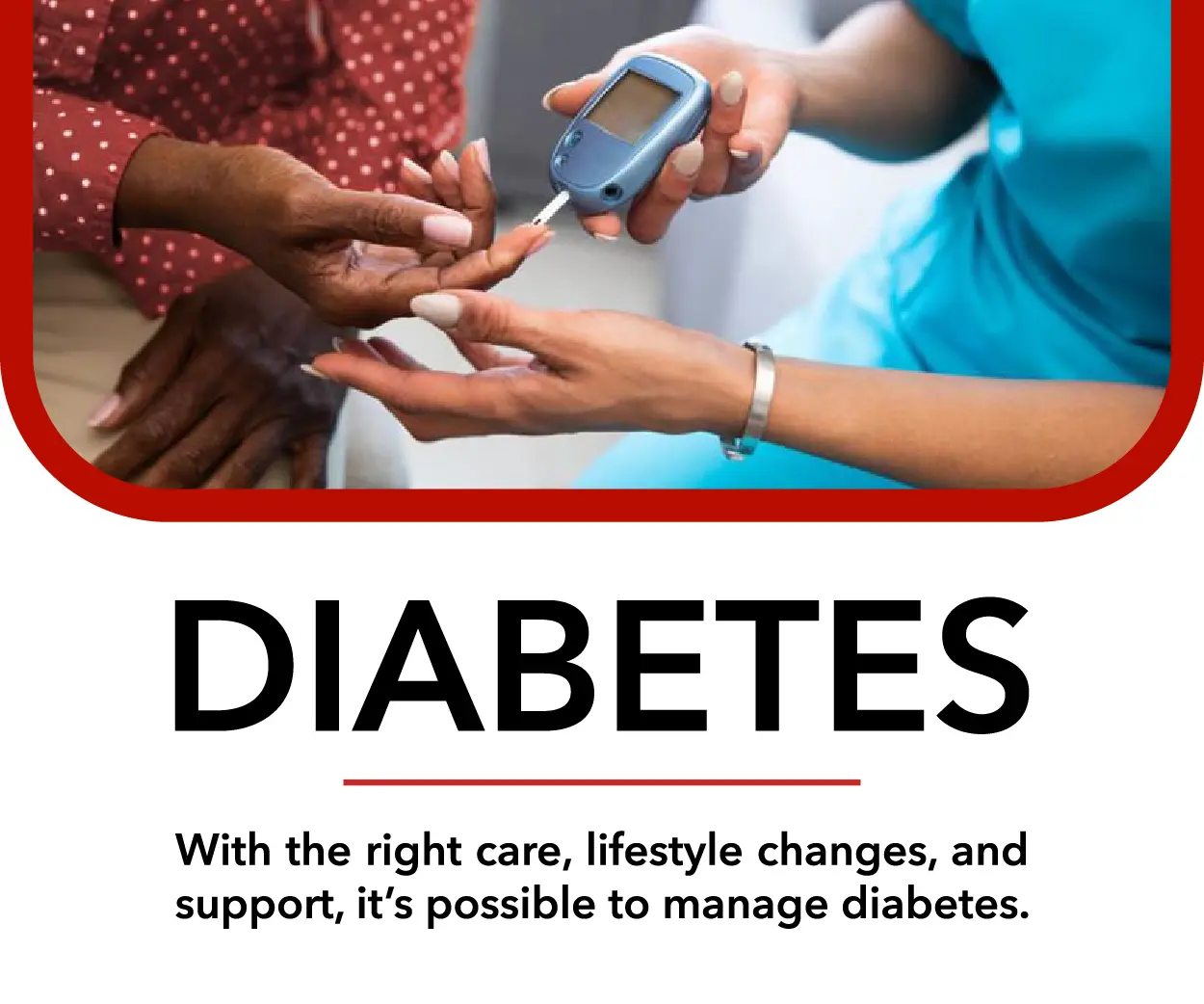
In order to test your blood glucose levels, your doctor or nurse will need to do a finger prick test. They use a tiny, sharp instrument called a lancet to prick your finger. This results in a small droplet of blood which they smear onto the end of the blood glucose testing machine (glucometer). Watch the video to see this process in action.
Symptoms
Feeling
very
thirsty
Weight loss without trying to lose weight
Tingling in your feet or hands
Needing to urinate often
Blurred or unclear vision
Always feeling tired
Feeling
very
thirsty
Weight loss without trying to lose weight
Tingling in your feet or hands
Needing to urinate often
Blurred or unclear vision
Always feeling tired
What if I've been diagnosed with type 2 diabetes?
Don't panic as T2D can be managed with lifestyle changes and medicines
Maintain an active lifestyle
Eat a healthy diet
Lose weight if overweight
Strictly follow a diabetes medicine schedule
Keep your blood glucose level in check
Have regular check-ups
What if blood sugar levels are not controlled?
Your Guide to Staying on Track with Your Medication
Why Your Medication is Important
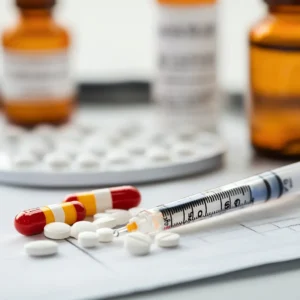
Your medication is key to manage your condition, and it helps in keeping the blood sugar under control. Talk to your healthcare provider about options that make it easier, like taking fewer doses or combining medications.
Overcoming Forgetfulness
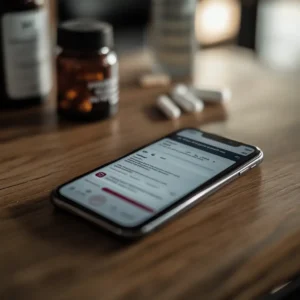
Set an alarm or reminder on your phone to help you remember your doses.
Use a pill organizer to keep track of what you’ve taken.
Try taking your medication at the same time each day.
Get Support from Others
Ask a family member or friend to remind you about your medication
Follow Up with Your Healthcare Team
Don’t hesitate to ask questions or share any concerns during your appointments.
Fact: People with diabetes need to eat a diet that is balanced, which can include some sugar in moderation. Better save it for special occasion. However, its good to avoid foods that are high in fat, sodium, and sugar.
Fact: Its true that people with family history of diabetes are more prone to develop diabetes but many people with diabetes have no family history of diabetes so it can happen to anyone
Fact: Type 2 diabetes is progressive and gradually, diet, lifestyle and oral medicines may not be enough to keep your blood glucose in control. In this case you may need insulin
Articles
Our Products
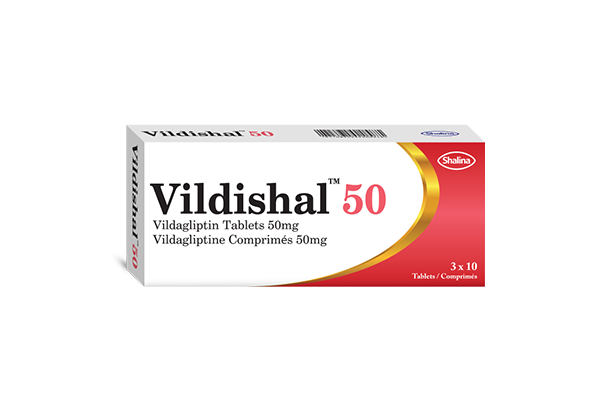
Vildishal Tablet
Vildishal-M Tablet
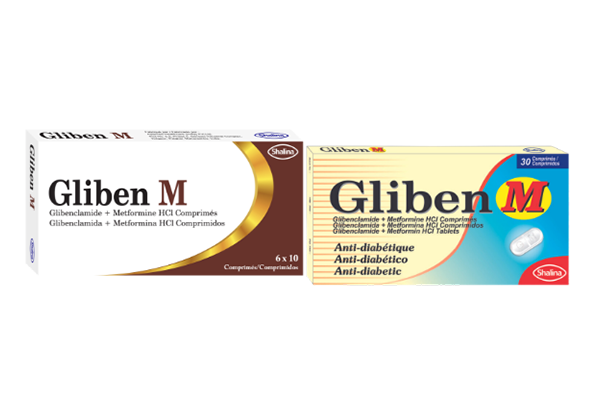
Gliben M Tablet
Manage Cookie Consent
To provide the best experiences, we use technologies like cookies to store and/or access device information. Consenting to these technologies will allow us to process data such as browsing behavior or unique IDs on this site. Not consenting or withdrawing consent, may adversely affect certain features and functions.
Functional
Always active
The technical storage or access is strictly necessary for the legitimate purpose of enabling the use of a specific service explicitly requested by the subscriber or user, or for the sole purpose of carrying out the transmission of a communication over an electronic communications network.
Preferences
The technical storage or access is necessary for the legitimate purpose of storing preferences that are not requested by the subscriber or user.
Statistics
The technical storage or access that is used exclusively for statistical purposes.The technical storage or access that is used exclusively for anonymous statistical purposes. Without a subpoena, voluntary compliance on the part of your Internet Service Provider, or additional records from a third party, information stored or retrieved for this purpose alone cannot usually be used to identify you.
Marketing
The technical storage or access is required to create user profiles to send advertising, or to track the user on a website or across several websites for similar marketing purposes.
Our Jejuri factory was audited and approved by Food & Drugs Authority, Ghana in 2009. Our initial operations in Ghana were limited to an import and re-export hub in Tema Free Trade Zone to service Ghana and other West African Countries.